

SaladStop: Fresh Salad Delivery & Takeout Near You

Weight Loss on a Vegan Diet: Balancing Calories and Protein Intake

Embarking on a vegan diet for weight loss is a popular choice for many individuals seeking a healthier and more sustainable lifestyle. Some may wonder whether it’s possible to meet their protein needs while staying within their calorie limits on a plant-based diet. Good news are: it’s entirely possible to achieve your protein goals while losing weight on a vegan diet. In this article, we’ll explore the intricacies of balancing calories and protein intake on a vegan diet and highlight specific micronutrients necessary for successful weight loss.

Plant-Based Protein: The Caloric Challenge

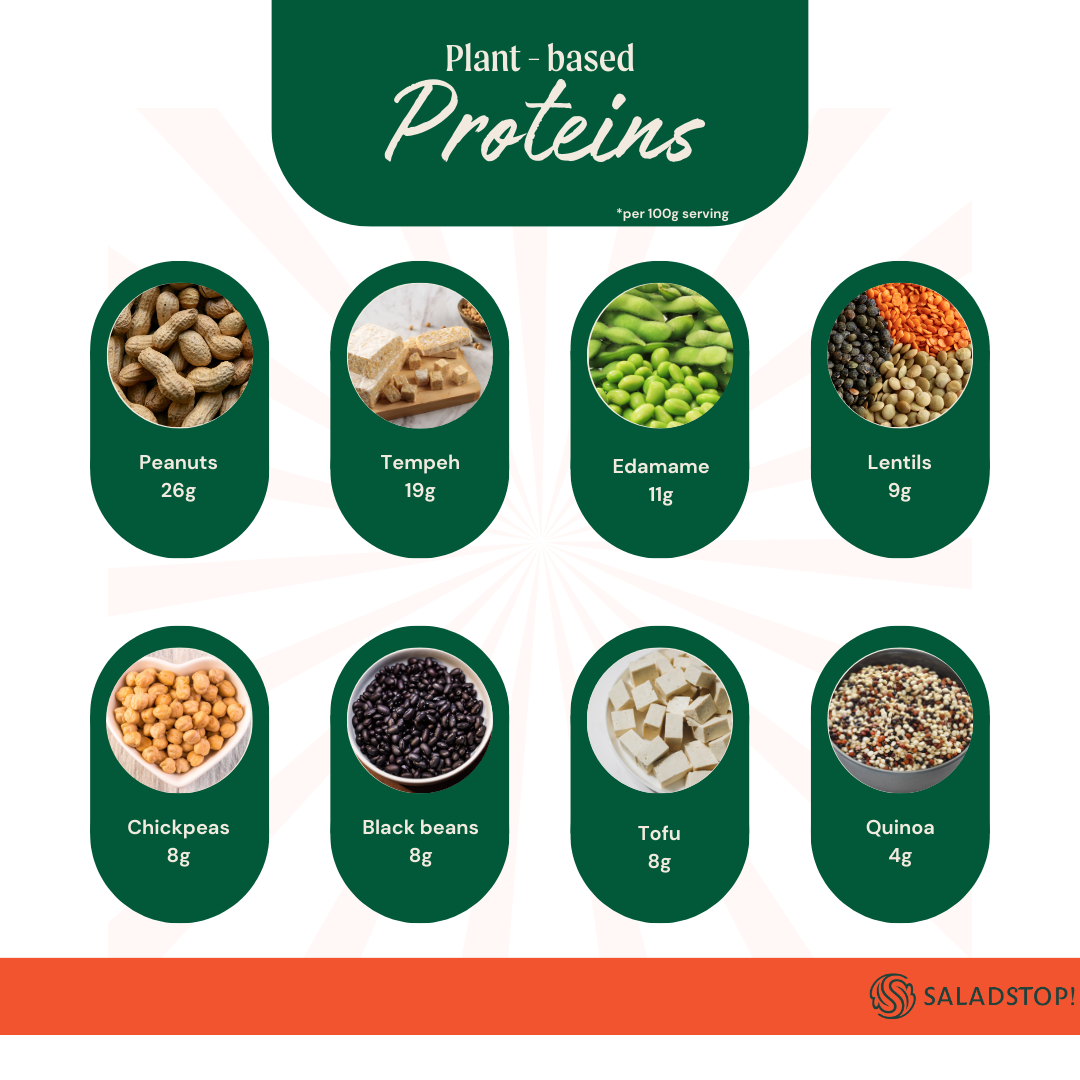
Plant-based protein sources like legumes, tofu, tempeh, nuts, and seeds are calorically denser than their animal-based counterparts. This means that, per gram of protein, you may be consuming more calories. However, this doesn’t make weight loss on a vegan diet impossible; it simply requires mindful planning and portion control.

Here are some strategies to balance calories and protein intake on a vegan diet:

1. Portion Control

Portion control is a key strategy for managing calorie intake while meeting your protein needs on a vegan diet. Here’s a closer look at portion control with examples:

  • Nuts: Nuts are a great source of plant-based protein, but they can be calorie-dense. For example, almonds have approximately 579 calories per 100 grams. To control portions, consider using a small handful (about 1 ounce or 28 grams) as a snack or ingredient in your meals.
  • Nut Butter: Nut butter, such as almond or peanut butter, can be delicious but calorie-packed. A 2-tablespoon (32-gram) serving of almond butter provides around 196 calories. Use a measuring spoon to ensure you’re not overdoing it.
  • Tofu: Tofu is a versatile plant-based protein with around 145 calories per 100 grams. You can control portions by using a kitchen scale to weigh your tofu or by dividing a standard block into smaller servings.
  • Tempeh: Tempeh, another soy-based protein, offers about 193 calories per 100 grams. One standard serving is typically 85-100 grams, making it easier to manage calorie intake.

2. Incorporate Lower-Calorie Options

When aiming for weight loss on a vegan diet, it’s helpful to incorporate lower-calorie plant-based protein sources, which allow you to enjoy larger portions without exceeding your calorie goals. Here are some examples:

  • Legumes: Legumes like lentils (116 calories/100g), chickpeas (164 calories/100g), and black beans (132 calories/100g) provide a good balance of protein and fiber. These options can help you feel full while keeping calorie intake in check.
  • Seitan: Seitan is a protein-rich meat substitute with approximately 370 calories per 100 grams. While it has more calories, it’s very protein-dense and can be used in small quantities to boost protein content in dishes.
  • Leafy Greens: Leafy greens like spinach (23 calories/100g) and kale (49 calories/100g) are not protein powerhouses on their own but can be combined with other protein sources to create low-calorie, nutrient-rich meals.
  • Mushrooms: Mushrooms are a unique source of plant-based protein, offering around 22-42 calories per 100 grams, depending on the type. They can be used to add texture and flavor to dishes without significantly impacting calorie intake.

3. Opt for Whole Foods

Whole plant foods like beans, lentils, and whole grains not only provide protein but also essential nutrients, fiber, and a feeling of fullness. These foods can help you control your calorie intake while meeting your protein needs.

4. Consider Plant-Based Ready-To-Heat Meals

These freshly made and convenient meal options are not only time-saving but also packed with plant-based protein. GFP meals offer the perfect solution for individuals looking to maintain a vegan or vegetarian diet while enjoying the convenience of pre-prepared meals. These dishes are carefully crafted to provide you with a balanced and delicious plant-based protein source, ensuring that you meet your nutritional needs without sacrificing taste or quality.
Micronutrients for Weight Loss on a Vegan Diet

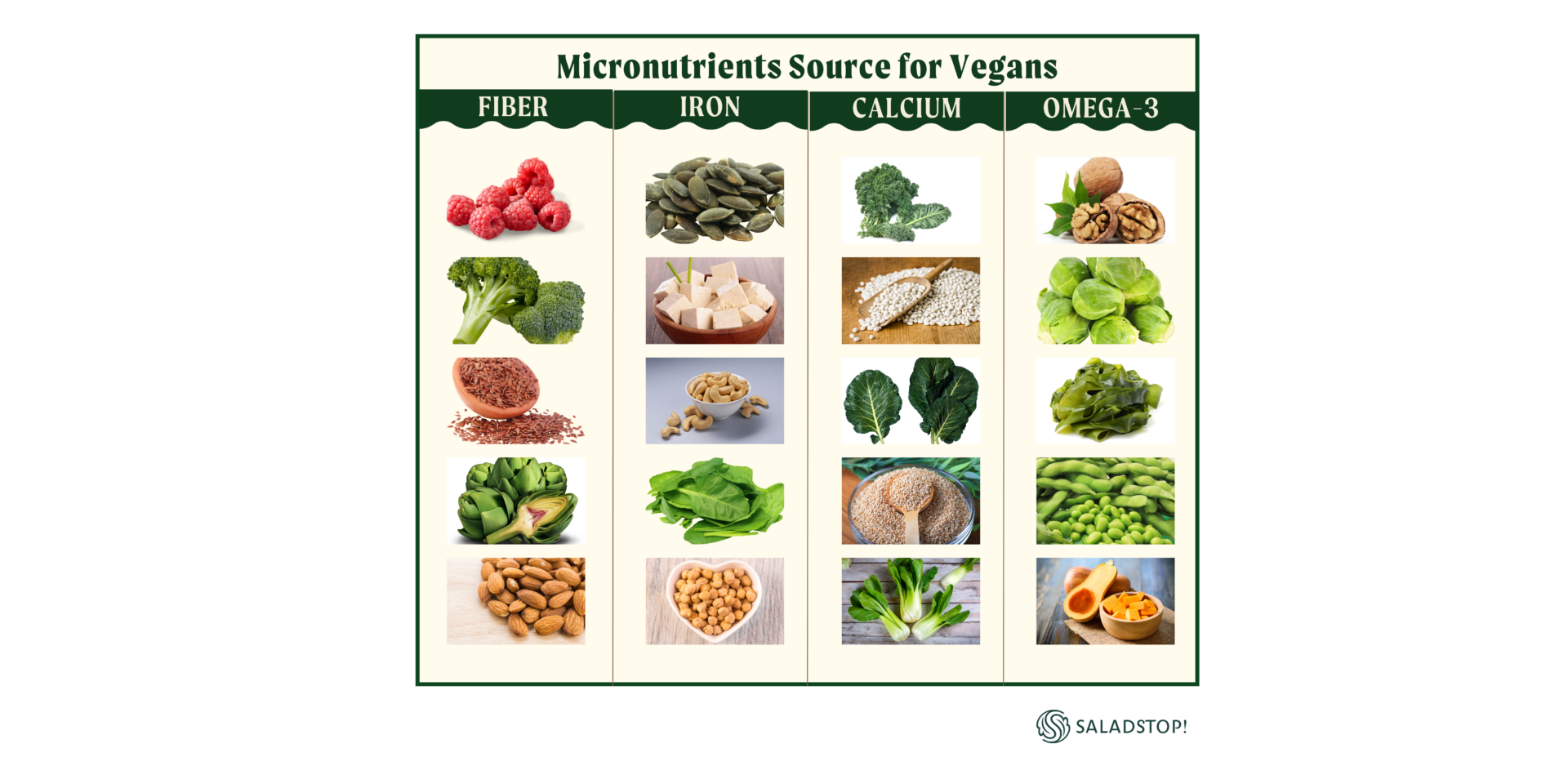
In addition to protein, several essential micronutrients play a crucial role in successful weight loss on a vegan diet. Here’s why each of these micronutrients is important for weight loss:

1. Fiber

Fiber is abundant in plant-based foods and is essential for promoting satiety and regulating blood sugar levels. High-fiber foods like vegetables, whole grains, and legumes should be a staple in your vegan weight loss plan. They help you feel full for longer, reducing the likelihood of overeating.

 2. Iron

Iron is important for maintaining energy levels and overall health. Plant-based sources of iron, such as beans, lentils, fortified cereals, and spinach, are readily available to vegans. Iron deficiency can lead to fatigue, which can hinder your ability to stay active and engage in weight loss activities.

3. Calcium

Calcium is crucial for bone health, muscle function, and nerve transmission. While dairy is a common source of calcium, vegans can obtain this essential mineral from fortified plant-based milk, leafy greens (e.g., kale, collard greens), and calcium-set tofu. Ensuring you get enough calcium supports overall health during weight loss.

4. Omega-3 Fatty Acids

Omega-3 fatty acids play a role in reducing inflammation and supporting heart health. Incorporate sources of alpha-linolenic acid (ALA), such as flaxseeds, chia seeds, and walnuts, to meet your omega-3 requirements. Consider algae-based supplements for long-chain omega-3s like EPA and DHA. Omega-3s can aid in reducing inflammation, which can be beneficial for weight loss.
Conclusion

Weight loss on a vegan diet is achievable by carefully balancing calorie intake and protein consumption. Practicing portion control, choosing lower-calorie options, and incorporating a variety of whole plant foods can help you meet your protein goals while shedding pounds. Additionally, don’t forget to pay attention to key micronutrients like fiber, iron, calcium, vitamin B12, and omega-3 fatty acids to ensure you maintain a balanced and healthy vegan diet while working towards your weight loss goals. These micronutrients play critical roles in maintaining energy levels, promoting satiety, and supporting overall health, making them essential components of your weight loss journey on a vegan diet. 

A vegan diet can be a successful and sustainable path to weight loss and improved overall health.


Disclaimer: 

At SaladStop! Group, our commitment is to empower every individual with reliable, evidence-based nutritional and wellness guidance. To earn your trust as your ultimate resource for nutritional information, our content undergoes rigorous nutritional scrutiny to ensure its accuracy, whether it’s about our offerings, culinary creations, or services. Please note that all information provided is for informational purposes only and should not be considered a substitute for professional medical or nutritional advice.


Category

Posted On

Written By

More from SaladStop!

10 Essential Tips for Healthy Living

In today’s modern world, achieving and maintaining a healthy lifestyle has become increasingly important. With the abundance of information available, it can sometimes be overwhelming to know where to start. To help you navigate the journey to better health, here are 10 essential tips for healthy living that incorporate specific and functional foods. 1. Diversify Your plate with colorful vegetables: Fill your plate with a variety of colorful vegetables, such as nutrient-rich kale. This leafy green, like the one found in SaladStop!’s Harvest bowl, is packed with essential vitamins and minerals. 2. Incorporate protein-rich foods: Protein is crucial for muscle repair, immune function, and satiety. Include sources of lean protein in your meals, such as grilled chicken breast, tofu, lentils, or beans. These options are not only rich in protein but also provide other important nutrients like iron and fiber. 3. Choose whole grains: Swap refined grains for whole grains to increase fiber intake and promote digestive health. Opt for whole grain options like quinoa, brown rice, oats, or barley, which provide sustained energy and help regulate blood sugar levels. 4. Embrace healthy fats: Don’t shy away from fats, but focus on incorporating healthy sources such as avocado, nuts, seeds, and olive oil. These fats are rich in omega-3 fatty acids and monounsaturated fats, which support heart health and brain function. 5. Include functional foods: Integrate functional foods into your diet, which offer specific health benefits beyond basic nutrition. For example, adding flaxseeds to your salad provides a boost of omega-3s and fiber, while also supporting heart health and digestion. 6. Prioritize leafy greens: Leafy greens like kale, spinach, and Swiss chard are nutritional powerhouses packed with vitamins, minerals, and antioxidants. Incorporate them into your salads as a base or mix them into smoothies for a nutrient boost. 7. Don’t forget about berries: Berries such as strawberries, blueberries, and raspberries are not only delicious but also incredibly nutritious. They’re rich in antioxidants, fiber, and vitamins, making them a perfect addition to salads or snacks. 8. Add crunch with nuts and seeds: Sprinkle nuts and seeds like almonds, pumpkin seeds, or sunflower seeds onto your salads for added texture and nutrition. These crunchy toppings provide healthy fats, protein, and essential minerals like magnesium and zinc. 9. Keep hydrated with herbal teas: Stay hydrated throughout the day by incorporating herbal teas into your routine. Herbal teas like chamomile, peppermint, or ginger are not only hydrating but also offer various health benefits, such as aiding digestion and reducing inflammation. 10. Practice mindful eating: Take the time to savor and enjoy your meals, paying attention to hunger and fullness cues. Eating mindfully can help prevent overeating, improve digestion, and enhance overall satisfaction with your meals. Incorporating these 10 essential tips into your daily life can help you build a foundation for optimal health and well-being. By focusing on specific, functional foods and making conscious choices to nourish your body, you can embark on a journey towards a healthier and happier you. Remember, small changes can lead to significant improvements over time, so start today and reap the benefits of a balanced and nutritious diet.

6 Surprising Effects of Added Sugar on Your Health and Simple Tips to Cut Back 

In our fast-paced world, convenience often means grabbing a quick bite or a sweetened drink. However, many of these easy choices come with a hidden cost: added sugar. This sneaky ingredient finds its way into numerous products, impacting our health in ways we might not expect. From disrupting our energy levels to affecting our mood and long-term well-being, the effects of added sugar can be far-reaching. In this article, we’ll explore how added sugar impacts our bodies and offer practical advice for reducing its intake in our daily lives. Whether you’re looking to make minor adjustments or major dietary changes, understanding the role of added sugar is a crucial step towards healthier living.  The Basics  When we eat sugar, it mostly breaks down and gets absorbed in our small intestine. Here, special enzymes change the sugar into three simpler kinds: glucose, galactose, and fructose.   Our liver and muscles save some of the glucose as glycogen. This is a special kind of molecule that can change back into glucose when our body needs more energy.  But, when glucose goes into our bloodstream, it makes the amount of glucose in our blood go up. To handle this, the pancreas makes insulin, which helps glucose move to different parts of our body where it’s needed. However, if we eat a lot of added sugar, our cells might start to ignore insulin. And this is when the problems start.  Daily Recommendation  It’s recommended to limit daily added sugar intake to no more than 100 calories for women and 150 calories for men.  Health Implications  Eating a lot of added sugars can lead to increased hunger. This is because sugar, while tasty, doesn’t fill you up, especially when it’s in foods that lack protein, fiber, and healthy fats. As a result, your body quickly burns through the sugar, leaving you hungry and prone to more snacking.  Moreover, sugary drinks are linked to weight gain in both adults and children, but it’s not just about the extra calories. Added sugar can disrupt the balance of good and bad bacteria in your gut, affecting your metabolism and how your body processes fats and cholesterol.  Additionally, sugar can interfere with hormones that control hunger, like leptin. This disruption can lead to increased cravings for sugar and more hunger.  If you’re feeling moody or irritable, it might not just be stress; too much sugar could be the culprit. Studies suggest that added sugars can worsen mood and even lead to depression symptoms.  A high-sugar meal can spike your blood sugar, but then it crashes, making you feel tired and grumpy. Also, when your blood sugar drops after eating too much sugar, it affects your brain, which needs stable blood sugar levels to function properly.  If you find yourself getting irritable, especially after eating sugary foods, it’s worth looking at your sugar intake.  Feeling tired and low on energy can sometimes be linked to the amount of sugar in your diet. Sugar provides a quick source of energy, but it’s used up fast. So, even if you eat a lot, you might find yourself hungry and low on energy again in about 30 minutes.  Additionally, big changes in blood sugar and insulin levels, which can happen after eating sugar, can cause your energy levels to drop, affecting how energetic you feel overall.  Too much added sugar in your diet might be a factor if you have high blood pressure. Studies have found a significant link between drinking sugary beverages and an increase in both high blood pressure and hypertension.  Although a direct cause-and-effect hasn’t been established, what is known is that high levels of glucose can harm the lining of blood vessels. This damage makes it easier for cholesterol to stick, leading to hardened blood vessels and, consequently, higher blood pressure.  A diet rich in refined carbs and sugary foods and drinks is linked to a higher risk of acne. Foods high on the glycemic index, like processed sweets, raise blood sugar faster than those with a lower glycemic index.  Eating sugary foods can lead to spikes in blood sugar and insulin, which can increase oil production and inflammation, all contributing factors to acne.  Studies show that low-glycemic diets may reduce the risk of acne, while high-glycemic diets may increase it. For instance, one study found that fatty and sugary products, sugary drinks, and milk were associated with current acne in adults.  Additionally, population studies have observed that rural communities consuming traditional, non-processed foods have much lower acne rates compared to urban areas with diets high in processed and sugary foods. This supports the idea that diets loaded with processed, sugary foods may contribute to acne development.  Diabetes has been rapidly increasing and is closely linked to sugar consumption. While sugar itself hasn’t been proven to cause diabetes, it indirectly raises the risk by contributing to weight gain and obesity, major risk factors for the disease.  Moreover, high sugar intake can lead to insulin resistance, elevating the risk of diabetes. Studies specifically point out that people who drink a lot of sugar-sweetened beverages, including soft drinks and fruit juices, have a higher likelihood of developing type 2 diabetes.  Easy Sugar Swaps  Swap Soft Drinks for Sparkling Water: Replace Sweetened Soy Milk with Unsweetened Soy Milk: Choose Fresh Fruit Over Canned or Dried Fruit: Opt for Plain Yogurt Instead of Flavored Yogurt: Swap Milk Chocolate for Dark Chocolate: Use Natural Sweeteners Like Stevia Instead of White Sugar: Swap Sugar-Sweetened Beverages for Unsweetened Tea or Infused Water: Choose Whole Grain Bread Over White Bread: Opt for Homemade Dressings Over Store-Bought Ones: Swap Regular Breakfast Cereals for Unsweetened Oatmeal: Disclaimer:  At SaladStop! Group, our commitment is to empower every individual with reliable, evidence-based nutritional and wellness guidance. To earn your trust as your ultimate resource for nutritional information, our content undergoes rigorous nutritional scrutiny to ensure its accuracy, whether it’s about our offerings, culinary creations, or services. Please note that all information provided is for informational purposes only and should not be

3 Tips to Losing Fat without Losing Weight

Losing weight is a common goal, but it’s important to know that not all weight loss is the same. The number you see on the scale doesn’t tell the whole story. While many people focus on losing weight, it’s actually more important to aim for a healthy and fit body by getting rid of fat while keeping your muscle. In this blog post, we’ll chat about the differences between losing weight and losing fat, dig into the science of body composition, and share some practical tips to help you lose fat without worrying about the scale. Body composition explained Your body is made up of two main parts: Now, why is this important when we talk about the difference between losing weight and losing fat? Here’s the deal: Muscle is more compact than fat. So, if you have a kilogram of muscle and a kilogram of fat, the muscle takes up less space in your body. Someone with more muscle and less fat might look leaner, even if they weigh the same as someone with less muscle and more fat. We also learned that your bones can get stronger and a bit heavier when you exercise regularly. Plus, your body’s water content changes throughout the day. Here’s the kicker: You can’t predict exactly how heavy or light your body will settle at when it’s comfortable because many things affect it. In simple terms, having a healthier body composition, which means more of the good stuff (muscles, bones, organs) and less of the not-so-good stuff (fat), doesn’t always mean you’ll weigh less on the scale. Body composition consists of fat mass and fat-free mass, including muscle, water, bones, and organs. Muscle is denser than fat, so two people of the same weight may appear differently if one has more muscle and less fat, emphasizing that a healthy body composition is about more than just the number on the scale. Remember: It’s about feeling good and looking fit, not just chasing a lower number on that scale. What is the difference between Weight Loss and Fat Loss? People often use “weight loss” and “fat loss” interchangeably, but they mean different things, and it’s more than just wordplay. Weight loss is simply the number you see on the scale. It’s the total of everything inside you, including bones, muscles, water, and yes, fat. So, when you lose weight, you’re shedding a bit of everything. Fat loss, on the other hand, means you’re specifically getting rid of the squishy stuff on your body – the fat. This can make you look smaller or leaner, but it doesn’t always make the scale go down. Here’s a neat trick: Sometimes, when you start a keto diet, you can lose a bunch of weight really quickly. But guess what? A big part of that is water weight, not fat. So, it might seem like you’re dropping lots of kilos, but it’s not necessarily fat disappearing. Now, why does this matter? Well, it depends on your goals. If you just want to be lighter on the scale, any weight loss might make you happy. But if you care about your health and how your body looks and feels, then focusing on losing fat is key. When your body has the right amount of fat, your risk of things like heart disease, stroke, and diabetes goes down. Weight loss involves reducing overall body weight, while fat loss specifically targets excess body fat. Be cautious of rapid weight drops on diets like keto, which can be mostly due to water loss, emphasizing the importance of discerning between the two for effective health and fitness goals. Remember: weight loss doesn’t always guarantee a healthier body. You could still have too much of that deep, visceral fat around your organs even if the scale says you weigh less. So, it’s not just about the numbers; it’s about where those numbers come from! Keto Diet and Water Weight Loss When it comes to the Keto Diet, it’s important to note that this eating plan induces ketosis in the body. This metabolic state leads to the burning of stored carbohydrates and the release of stored water, resulting in an initial rapid weight loss that is sometimes confused with actual fat loss. If you’re not on a keto diet but want to reduce water weight, consider reducing your sodium intake. Excessive salt consumption can cause your body to retain extra water to maintain the proper balance of salt and water. To lose water weight effectively, increasing water intake and reducing sodium consumption. Remember, reducing your water intake won’t safely help you shed this water weight. What can happen when you lose muscle in the process? When people lose weight, they sometimes end up losing not just fat but also muscle and fluids, which can have some not-so-great effects on their health. According to a study from 2018, losing lean body mass can lead to things like a slower metabolism, feeling tired, not moving as well, and even affecting how you feel emotionally. Plus, it might make you more prone to getting injured. On the flip side, having a good amount of muscle comes with some awesome perks like helping keep your blood sugar in check, keeping your body fat at healthy levels, and calming down inflammation. Plus, it lowers your chances of getting long-term health issues like heart problems, kidney troubles, and diabetes. When it comes to managing your weight in the long run, having more muscle is a big win. That’s because muscles burn more calories even when you’re just chilling on the couch or doing fun stuff like jumping rope. So, the more muscle you have, the more calories you torch with every activity – whether it’s an energetic workout or just relaxing! Remember, when you lose lean body mass, your metabolism can slow down, and you might end up gaining fat again and having a less healthy body composition! 3 Tips on how to lose fat and maintain muscle If you’re