
Whether you’re a dedicated gym-goer, a weekend warrior, or simply someone who loves staying active, you know that what you eat plays a massive role in how you perform. Traditionally, athlete diets have been all about meat, eggs, and protein shakes, but there’s a new player on the scene – veganism.
Veganism has gone from a niche choice to a popular lifestyle embraced by folks worldwide. It’s got fantastic benefits for the planet and animal welfare, but what about its impact on your athletic and exercise prowess? Can you still crush your fitness goals while going vegan? Absolutely, but it takes a bit of know-how and some commitment.
In this blog post, we’re diving into the world of vegan diets, offering practical tips for athletes and fitness enthusiasts looking to thrive on a plant-based plan. Whether you’re a seasoned vegan athlete or just thinking about giving it a try, we’ve got your back. We’ll show you the ropes when it comes to vital nutrients, meal planning made easy, and tips to boost your performance while staying true to your eco-friendly and compassionate values.
Let’s address the elephant in the room: Can you get enough protein from plants?
First, why is protein so important for athletes?
Well, it’s like the building blocks for your muscles and helps your body adapt to exercise.
There is something called Net Protein Balance (NPB). This is the balance between building and breaking down muscle protein. To get the best results, you want a positive NPB, which means you’re building more muscle than you’re breaking down. This is crucial for recovery, adaptation (getting better at your sport), and muscle growth.
Now, here’s the twist for vegan athletes: they often end up eating less protein than people who eat animal products. So, if you’re a plant-based athlete, you’ve got to pay extra attention to the quantity and quality of your protein intake.
Plant-based protein sources are a bit different. They might not have all the essential amino acids (the important building blocks) you need, and they often have fewer Branched Chain Amino Acids (BCAA) compared to animal-based proteins. So, it’s essential to mix and match your plant-based protein sources to make sure you’re getting all the good stuff your body needs to perform at its best!
It’s pretty much agreed upon that athletes need more protein than the average person.
If you’re into strength and power sports, you should aim for about 1.6 to 1.7 grams of protein per kilogram of your body weight per day. If you’re more of an endurance athlete, think 1.2 to 1.4 grams per kilogram. These numbers are quite a bit higher than the typical recommendation of 0.8 grams per kilogram for the average person.
But this might not be all, keep reading…
Plant-Based Protein Digestibility
When it comes to plant-based protein, it seems our bodies don’t absorb it as well as animal-based protein. So, if you’re following a vegan diet, you might need to make some adjustments.
There are these fancy scores called the Protein Digestibility Corrected Amino Acid Score (PDCAAS) and Digestible Indispensable Amino Acid Score (DIAAS) that tell us how good a protein source is based on how well we digest it. It turns out that plant-based sources don’t score as high as animal products in this regard.
Because of this, some experts think that vegetarians, who might still eat things like eggs and dairy along with plant-based foods, might need to eat more protein than people who eat meat to make up for the lower digestibility of plant proteins.
If this is you, aim for around 1.0 gram of protein per kilogram of your body weight per day.
Now, if you are a vegan athlete who doesn’t eat any animal products at all, it’s probably a good idea to aim for the higher end of the protein recommendations, somewhere between 1.4 to 2.0 grams of protein per kilogram of your body weight per day, especially if you’re trying to maintain or gain energy.
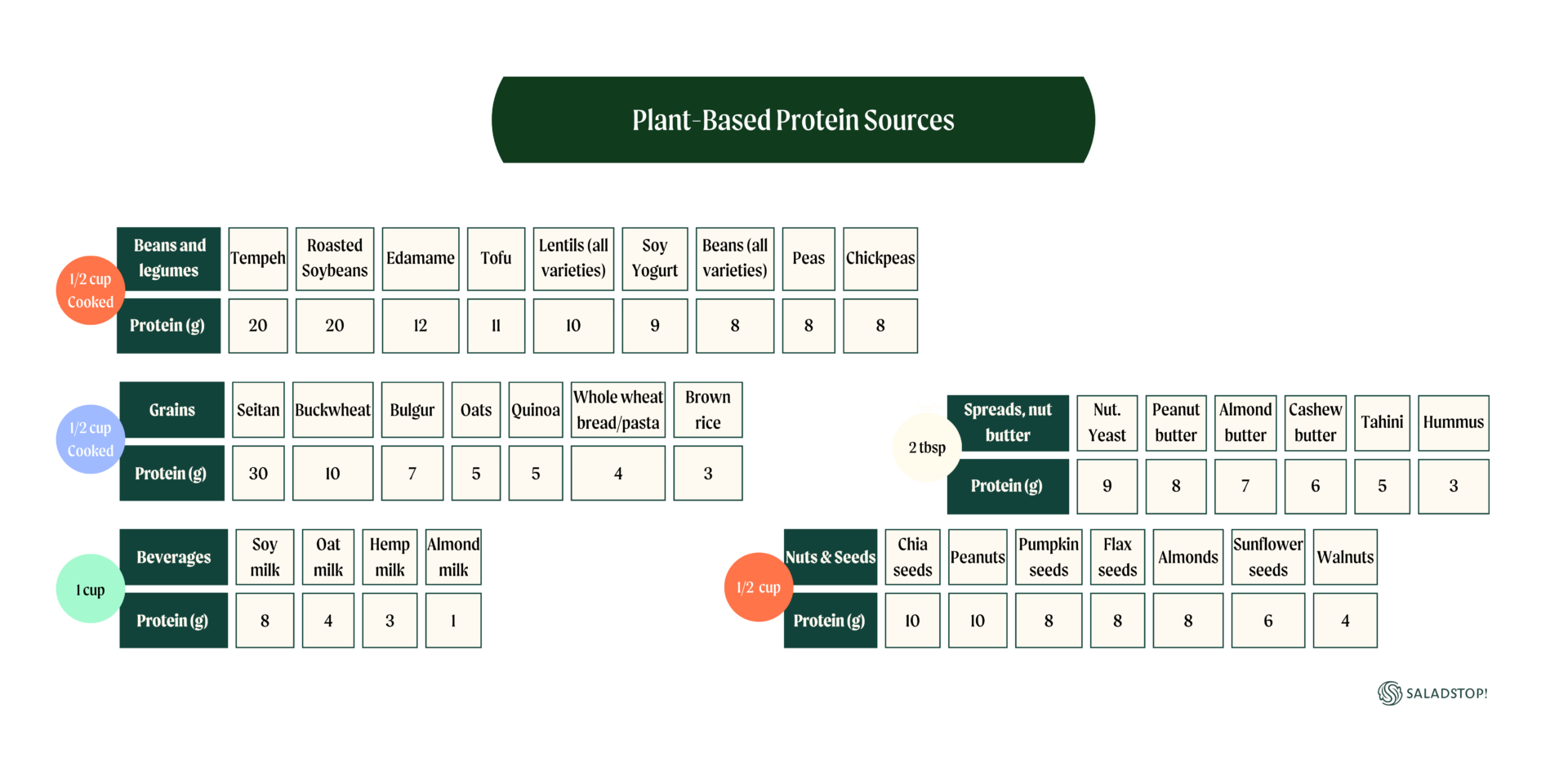
Many people often underestimate the protein content in various foods, including plant-based options, but it’s entirely possible to meet your protein goals through a well-balanced diet that includes a variety of protein-rich sources such as legumes, tofu, tempeh, nuts, and seeds. Don’t be surprised by how easily you can incorporate protein into your diet, even if you choose plant-based alternatives!
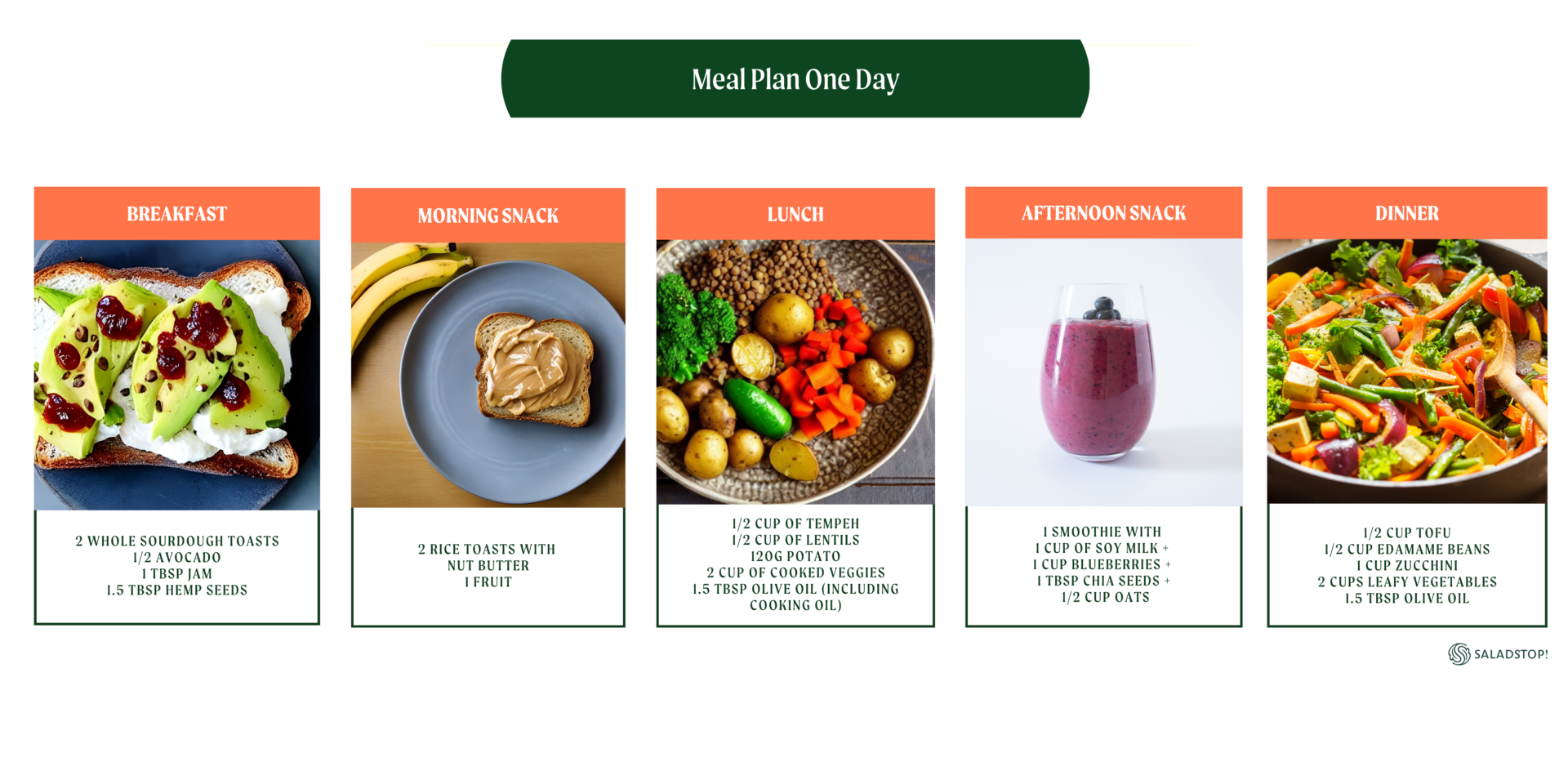
Achieving your protein goals with plant-based sources is not only feasible but also delicious and diverse. Plant-based proteins are not only beneficial for your muscles but also for your overall health and the environment. Embracing a diet rich in plant-based proteins not only supports your weight loss and muscle maintenance goals but also aligns with sustainable and ethical food choices.
Here’s an example of high protein recipe: Vegan Mexi-Mac Delight – Good Food People
Omega-3, the Anti-Inflammatory King
Vegan diets tend to be lower in total and unhealthy saturated fats. This seems to be linked with lower risks of heart disease, high blood pressure, type II diabetes, high cholesterol, and even some types of cancer.
Now, when it comes to fat intake, there’s something interesting going on with hormones and athletic performance that scientists are still studying. But here’s the thing, because vegans don’t eat fish or seafood, they end up having fewer omega-3 fatty acids in their diet. These omega-3 fatty acids are super important for things like heart health, fighting inflammation, and even helping with exercise-induced breathing problems (like asthma) and your immune system.
For athletes, omega-3 fats might also help produce nitric oxide (good for blood flow) and improve heart rate variability (good for overall health). There’s a type of omega-3 fat called alpha-linolenic acid (ALA), which your body can turn into other important omega-3 fats, but not very efficiently. Only about 8% of ALA becomes EPA, and even less becomes DHA.
The best source of DHA is usually cold-water fish and seafood, but vegans don’t eat those.
So, some vegans and vegetarians take microalgae oil supplements because they’re rich in DHA (and EPA, another important n-3 fat). These supplements can help boost your blood levels of EPA and DHA, which have lots of health and performance benefits.
Typically, it’s suggested that athletes take 1 to 2 grams of EPA and DHA combined in a 2:1 ratio. To get around 500 to 1000 milligrams of DHA daily, you’d need about 1 to 2 grams of microalgae oil, which is usually equivalent to 2 to 4 capsules found in most supplement products. This can help vegans and vegetarians make sure they’re getting enough of these essential fatty acids to stay in top shape.
If you’re interested in learning more about Omega-3 supplementation, be sure to check out this article! Should you Take Omega-3 Supplements? – Good Food People
Vitamin B12, the Energy Booster
Because vegans exclude animal and dairy products from their diet, they face an increased risk of developing a deficiency in Vitamin B12 (cobalamin). The recommended daily amount for adults is about 2.4 micrograms, but some experts say that vegans might need up to 6 micrograms a day to be safe.
There are ways for vegans to get their B12. They can look for foods like B12-fortified breakfast cereals or they can take vitamin B12 supplements. Nutritional yeast is also popular B12 source for vegans. It’s often used as a cheese substitute in vegan dishes and can provide varying amounts of B12, usually around 2.4-6 micrograms per tablespoon.
If it’s tough for a vegan to get enough B12 from food and supplements, they might need to see a doctor to check their B12 levels.
So, keeping an eye on B12 is especially important for vegan athletes to stay healthy and energized.
Iron, the Vital Oxygen Carrier
So, when it comes to iron in the diets of vegetarians and vegans, it’s a bit of a mixed bag. Both groups tend to eat about the same amount of iron as people who eat meat because they enjoy lots of whole grains and legumes.
But there’s a twist here. The iron in plant-based foods is a bit different from the iron in meat. It’s called “non-haem” iron, and it’s not as easy for our bodies to absorb as the “haem” iron found in animal products.
Now, here’s something interesting: our bodies are pretty smart. They can adjust how much iron they soak up based on how much iron is already in our blood. If our iron levels are low, our bodies start absorbing more. And if we have plenty of iron, they slow down absorption to keep things balanced.
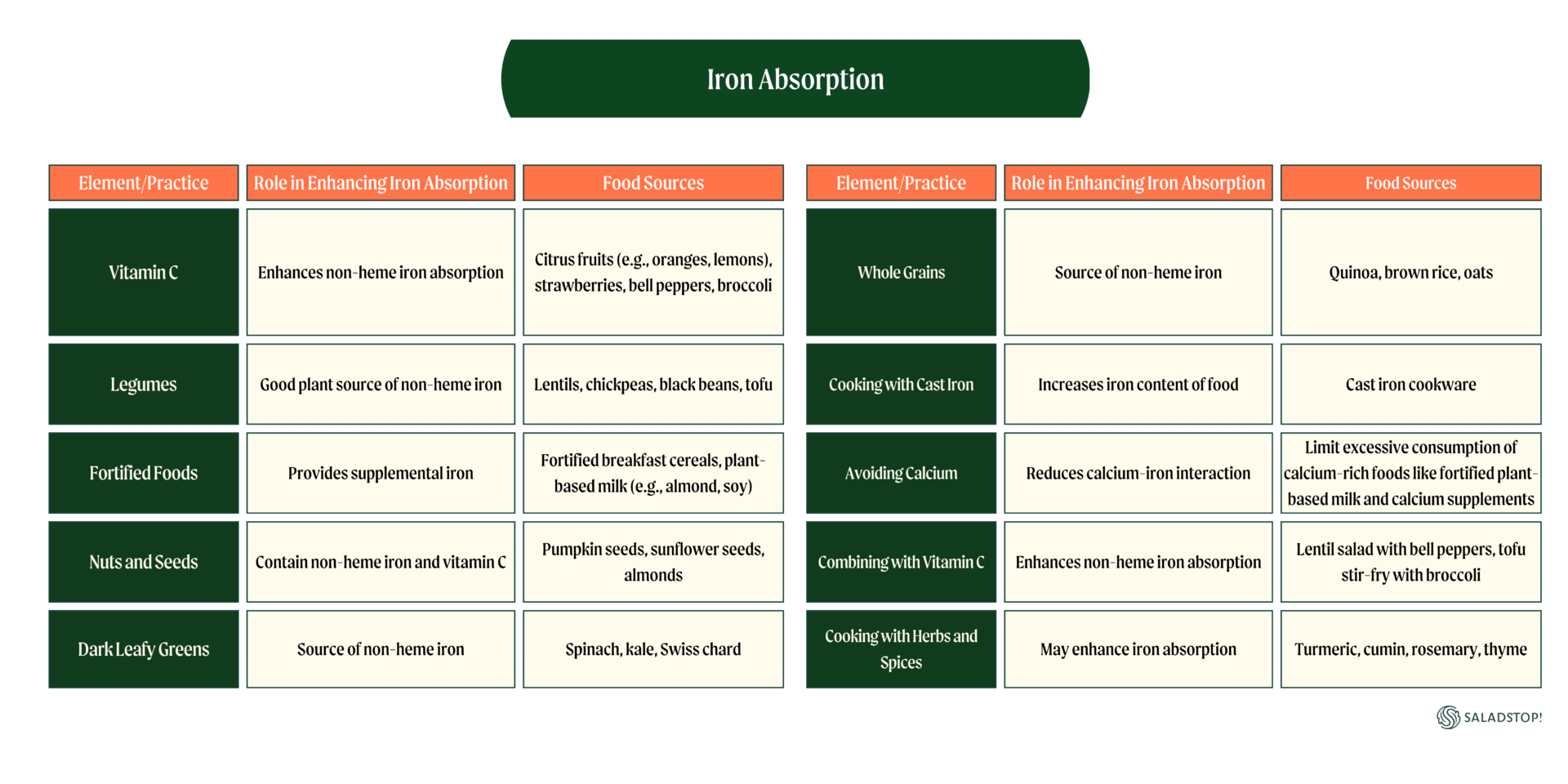
So, for vegan athletes, the key is making sure they get enough iron from plant-based sources. They can do this by choosing foods that are naturally high in iron, like beans and leafy greens. Plus, they should avoid stuff like tea, coffee, and cocoa when they’re having iron-rich meals because these drinks can block iron absorption.
Here’s another tip: eating foods rich in vitamin C at the same time as iron-rich foods can help our bodies soak up more iron. So, think about adding some bell peppers, oranges, or strawberries to your iron-packed meals.
Lastly, if you’re into trying new things, consider adding soaked, sprouted, or fermented foods to your diet. They can be good sources of iron, and they might spice up your meals in a tasty way.
Zinc, the Immune System Defender
Just like with iron, zinc is found in plant-based foods, but our bodies don’t soak it up easily.
The good news is our bodies can adjust to lower zinc intake by holding onto more zinc and absorbing it better. However, experts suggest that vegetarians might need around 50% more zinc than non-vegetarians because the type of zinc in plant foods isn’t as easy for our bodies to use.
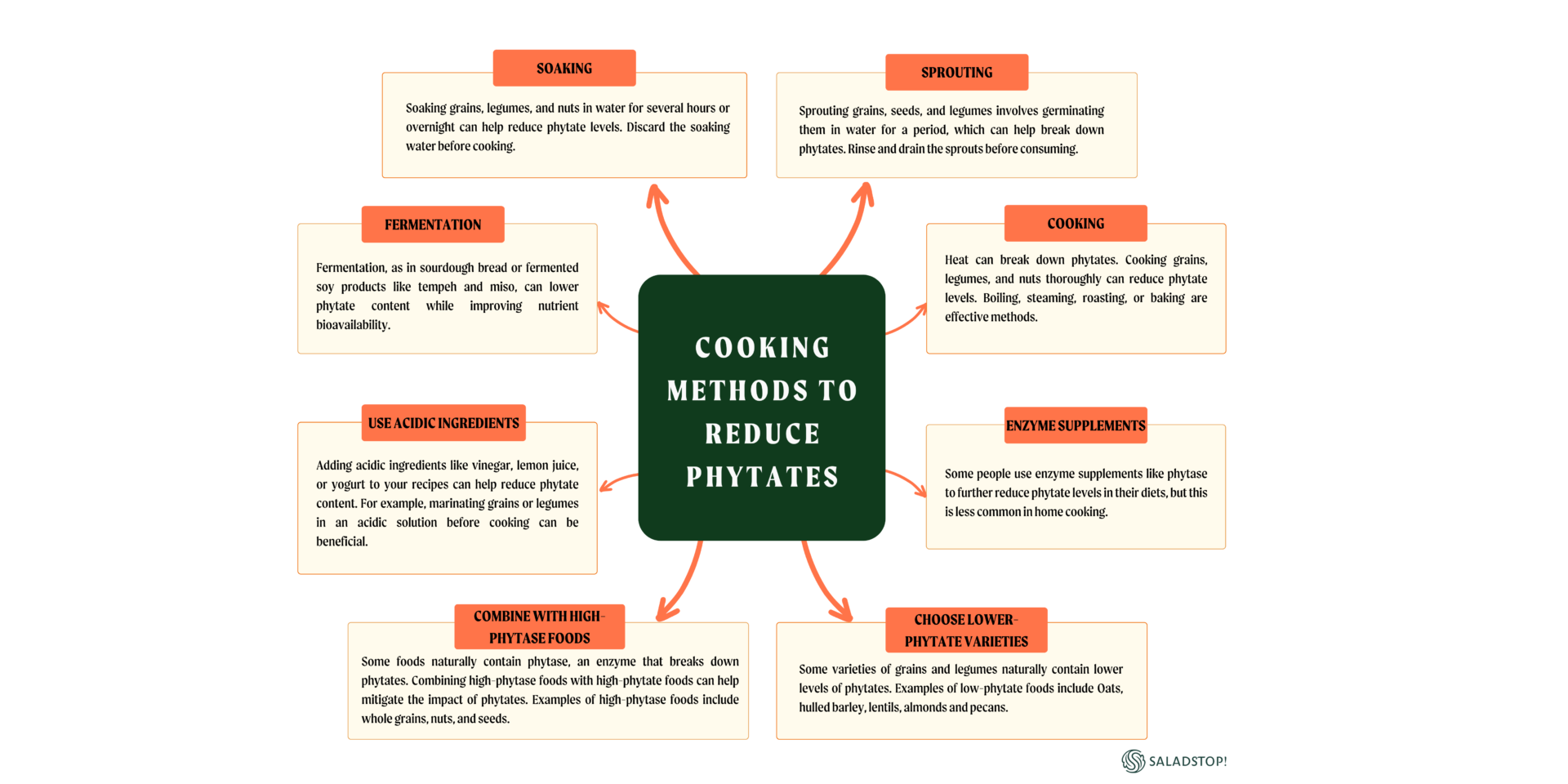
Now, vegans can get zinc from foods like beans, whole grains, nuts, and seeds. These foods also contain something called phytate, which can block zinc absorption. But here’s a cool trick: you can reduce phytate by processing these foods. For example, when you make bread, the yeast breaks down phytic acid, making the zinc more available. Also, soaking, fermenting, and sprouting nuts, grains, and beans can lower phytate levels and help your body use more of the nutrients.
Based on recommendations, man who are vegan might want to aim for up to 16.5 milligrams of zinc per day (compared to the usual 11 milligrams), and ladies could aim for up to 12 milligrams (instead of the usual 8 milligrams). To meet these zinc recommendations, vegans should chow down on zinc-rich foods like hemp and pumpkin seeds, as well as grains, nuts, and beans.
Oh, and here’s a fun fact: eating foods high in protein can help your body use zinc better. On the flip side, taking certain supplements like folic acid, iron, calcium, copper, and magnesium might make it a bit harder for your body to use zinc. But if you’re getting these nutrients from whole foods, it doesn’t seem to be a problem.
Calcium, the Bone Building Block
For vegans, getting enough calcium can be a concern, and it’s even more critical for kids and teenagers because they need extra calcium for growing strong bones. The cool thing is our bodies can adjust and soak up more calcium from food when our usual intake is low, as long as we have enough vitamin D.
The recommended daily amount of calcium for most people is about 1000 milligrams, and that generally covers athletes too. So, despite some challenges, athletes don’t typically need extra calcium compared to others.
To meet this calcium goal, vegan athletes can eat plant-based sources like beans, lentils, and green veggies. Some champs in the veggie world for calcium are broccoli, bok choy, and kale. But watch out for spinach and arugula because they have something called oxalate that can mess with calcium absorption. So, it’s a good idea to pick plant sources with low oxalate levels when you’re planning calcium-packed meals.
Also, you can find calcium-fortified foods at the store, like soy and nut milks, and even some fruit juices. These fortified foods are vegan-friendly and provide calcium that your body can absorb easily. So, there are plenty of options to make sure you’re getting the calcium you need to keep those bones strong.
Iodine, the Thyroid Regulator
Iodine is like a secret helper for our bodies. It’s not something we need a lot of, but it’s super important for our growth, both physically and mentally, and it keeps our thyroid (a tiny gland in our neck) working smoothly to help us with things like energy and metabolism.
But here’s the tricky part: too much or too little iodine isn’t good for us. And here’s where it gets interesting for vegans. Some vegans end up with too much iodine because they eat a lot of seaweed and sea vegetables, which are like iodine powerhouses. On the flip side, some vegans may not get enough iodine if they don’t eat the right foods.
To make sure you’re getting just the right amount, iodized table salt can be your friend. It’s a simple way to add iodine to your diet. You can also find iodine in foods like potatoes, certain types of bread (in some countries), and even cranberries.
So, if you’re a vegan, don’t worry too much about iodine, but do sprinkle a bit of iodized salt on your meals and enjoy those iodine-rich foods to keep your thyroid and your body happy.
Vitamin D, the Sunshine Nutrient
Vitamin D is pretty cool because our bodies can make it when we spend time in the sun. But, if you’re a vegan who doesn’t get a lot of sun or if you’re not eating the right foods, you might not get enough vitamin D.
There are two types of vitamin D: D3 (which comes from animals) and D2 (which is vegan-friendly). But here’s the thing, D3 seems to be better at getting absorbed by our bodies compared to D2.
Now, here’s a fun fact for athletes: having enough vitamin D might make you perform better. If you’re low on vitamin D, it can affect things like your muscle strength and how well you use oxygen during exercise. Some experts even say that taking vitamin D supplements might help prevent overuse injuries because it helps your muscles and bones work better.
So, if you’re a vegan athlete, it’s a good idea to keep an eye on your vitamin D levels and consider taking supplements if you’re not getting enough from the sun or your diet. It could give your athletic performance a boost!
In Summary
Vegan diets are typically lower in calories, protein, fat, vitamin B12, n-3 fats, calcium, and iodine compared to diets that include meat and dairy. On the flip side, they tend to be higher in carbohydrates, fiber, micronutrients, phytochemicals (good stuff from plants), and antioxidants.
Now, here’s the challenge: it can be tough to get enough calories when you’re eating plant-based foods because they can make you feel full faster.
Also, some nutrients like protein, calcium, iron, and zinc from plant foods aren’t absorbed as easily as those from animal products. So, athletes who are vegans might need to eat more of these nutrient-rich foods compared to people who eat meat and dairy.
But don’t worry! With some smart food choices and attention to getting enough calories, protein, and all the vitamins and minerals you need, a vegan diet can totally meet the needs of most athletes.
Lastly, for many people, being vegan is about more than just food; it’s a way of living that aligns with their beliefs. So, just as much care should be given to making sure your vegan diet is balanced and nutritious to keep you healthy and performing at your best in the long run.

Disclaimer:
At SaladStop! Group, our commitment is to empower every individual with reliable, evidence-based nutritional and wellness guidance. To earn your trust as your ultimate resource for nutritional information, our content undergoes rigorous nutritional scrutiny to ensure its accuracy, whether it’s about our offerings, culinary creations, or services. Please note that all information provided is for informational purposes only and should not be considered a substitute for professional medical or nutritional advice.